Savannah Foods targets the substantial and growing market for affordable, convenient, culturally relevant food products in South Africa and the broader SADC region.
The South Africa Canned Food Market was estimated at USD 131.84 million in 2023, with robust growth fuelled by rising disposable incomes and increasing demand for convenient, ready-to-eat food products. Economic empowerment propels the canned food industry, as consumers seek time-efficient and convenient meal solutions.
The rising disposable income trend has become a key growth driver, shaping a flourishing market for canned goods in South Africa — and creating a strong opportunity for culturally relevant products like Mogodu Manje.
Explore the market across four key dimensions — by type, by distribution channel, by competitive landscape, and by generational divide.
The Manje range brings authentic African heritage to every household — starting with our flagship Mogodu Manje, and growing into a full portfolio of convenient, shelf-stable canned foods. Each product honours traditional recipes while delivering modern convenience.
Flagship — Canned beef tripe
Popular township street food
Versatile, affordable protein
Pantry staples from local farms
By distribution channel, the South Africa Canned Food Market is divided into several segments. The supermarket/hypermarket segment stands out as a leading channel, while the online segment showcases a growing trend. Savannah Foods extends this with Key Distributors as its primary route to market and Export Market as its long-term growth frontier.
Established national distribution network opening access to over 12,000 rural and township businesses — the primary route to market for rapid penetration.
Extensive network of informal retail outlets in townships and rural areas — the heart of the everyday consumer market.
Formal retail chains for urban market penetration and brand visibility. The largest distribution channel reflecting consumer buying patterns.
A growing trend leveraging e-commerce platforms for convenient purchases — reaching urban consumers and diaspora markets.
Long-term growth frontier — exporting to SADC neighbours (Botswana, Zimbabwe, Mozambique, Namibia) and Middle East markets, capitalising on the continent's growing demand for canned foods.
Major players in the South Africa Canned Food Market include established manufacturers. The need for affordable protein has seen increased demand for livers and canned chicken feet, with major businesses like Astral announcing the canning of chicken products from 2025.
Established canned food manufacturer
Long-standing food canning business
Canned food producer
Major FMCG conglomerate
Canned goods manufacturer
Food processing company
While competitors offer canned tripe, none deliver the taste as traditionally enjoyed by the majority of consumers. Mogodu Manje combines authentic flavour with modern convenience and a 100% Black-owned heritage.
Research by Trade Intelligence into the generational divide amongst South African shoppers reveals a combined shopper market size estimated at 29.7 million shoppers. Different generational groups engage with media differently — online advertising grows from 20% amongst Baby Boomers to 74% amongst Gen Z.
| Generation | Engagement Style | Media Consumption |
|---|---|---|
| Baby Boomers | Traditional shopping habits | Online advertising ~20% |
| Generation X | Mixed traditional & digital | Growing online engagement |
| Millennials | Digital-first shoppers | Strong online & social media |
| Generation Z | Mobile & social native | Online advertising ~74% |
Source: Trade Intelligence — SA Shopper Market Generational Divide research.
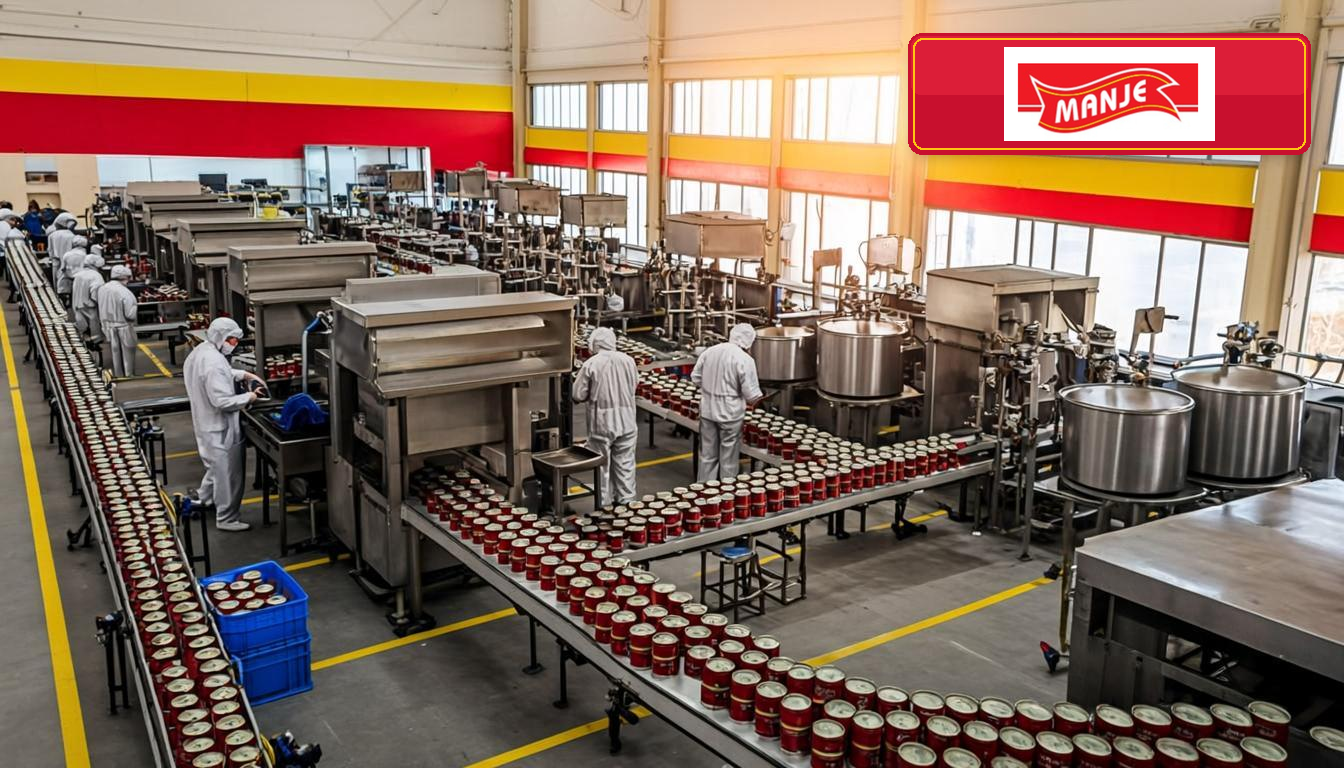
With a 20,000-can-per-day production capacity and a clear roadmap to expand the Manje range, our Limpopo facility is positioned to capture growing demand across the SA canned food market projected to reach USD 165M by 2028 — supported by SADC export channels and a partnership-ready contract manufacturing model.
A clear-eyed view of our strengths, weaknesses, opportunities, and threats in the South African canned food market.
Unique traditional taste; trusted brand partnerships (Nampak); expert dietician on team; 100% Black-owned authenticity.
Initial product appeals to a specific demographic; limited target market initially; new entrant in an established market.
Export to international markets; new product variations; contract manufacturing; dog food range from leftover materials.
Competition from similar products; distribution channel limitations; raw material price fluctuations.
A multi-channel approach designed to reach every corner of the South African market — and beyond.
| Channel | Priority | Strategy |
|---|---|---|
| Key Distributors | Primary | National network reaching 12,000+ rural & township businesses |
| Spaza Shops | Primary | Extensive informal retail network in townships and rural areas |
| Supermarkets | Secondary | Formal retail chains for urban penetration and brand visibility |
| Online Platforms | Growth | E-commerce for urban consumers and diaspora markets |
| Export Market | Long-term | SADC and Middle East expansion |
"Mogodu Manje — Now every day is Mogodu Monday"